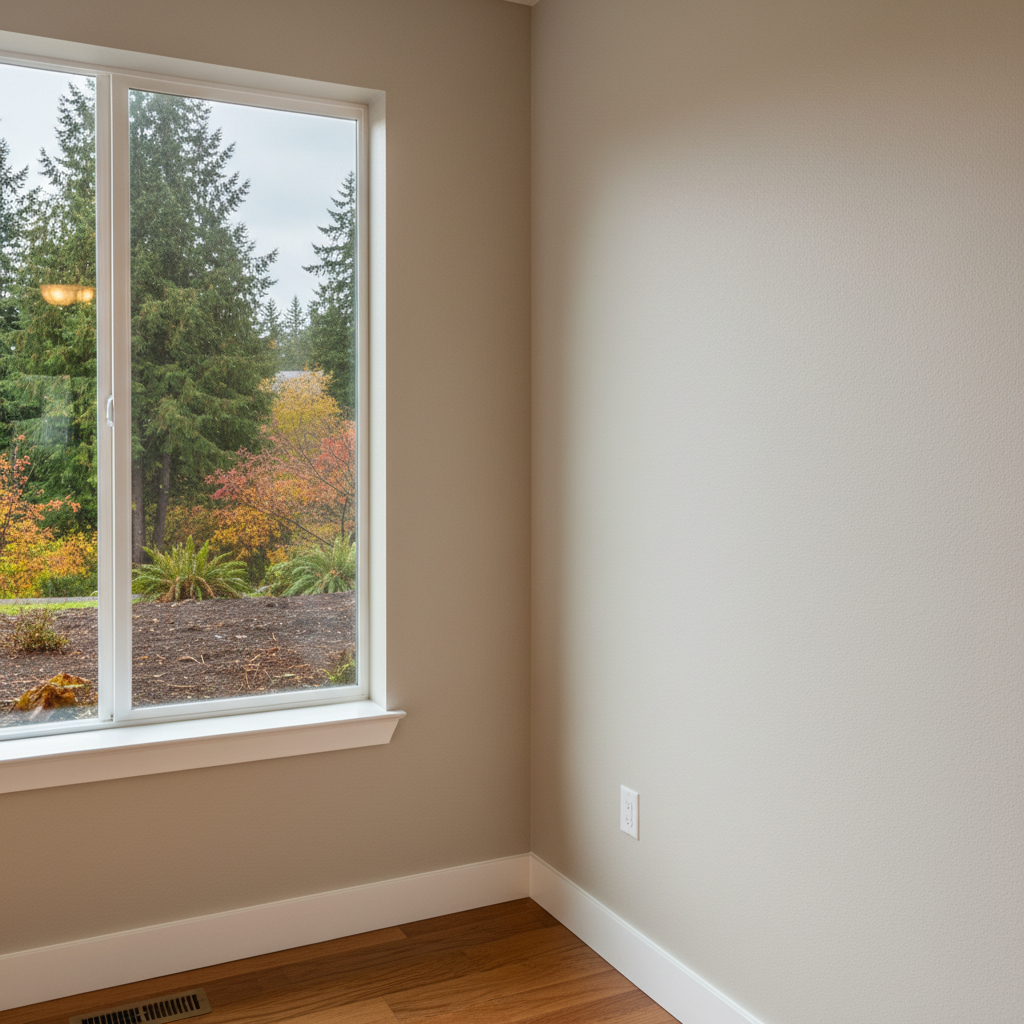
Thinking about getting some new texture on your walls? Or maybe just patching up an area that needs a refresh? That's great, but here in Tacoma, you can't just pick any old day to start slinging mud. Our Pacific Northwest climate, with its dampness and temperature swings, plays a bigger role in drywall texturing than most folks realize. I've seen it firsthand, and if you want a finish that really lasts, you've got to think about the seasons.
Why Tacoma's Weather Matters for Drywall Texture
It all comes down to moisture and temperature. Drywall compound, whether it's for taping or texturing, needs to dry properly. It's not just about getting it dry, but about getting it to cure evenly and at the right pace. If it dries too fast, it can crack. Too slow, and you're inviting mold or just a really long, frustrating wait. Our typical Tacoma weather, especially the long, wet winters and sometimes surprisingly dry summers, creates some unique challenges.
Think about those classic Tacoma bungalows in the North End or the older homes down in South Tacoma. Many of them don't have the tightest seals or the most consistent indoor humidity. That means what's happening outside often has a direct impact inside, even if you don't feel a draft.
When's the Best Time to Schedule Drywall Texturing?
Honestly, the sweet spot for drywall texturing in Tacoma is usually late spring through early fall. Why then? You've got warmer, drier air. This helps the compound flash off and cure at a more predictable rate. You can open windows for ventilation without freezing your pipes or letting in a ton of rain. That steady, moderate drying is key for a strong, durable texture.
- Late Spring (May-June): The ground's drying out, temperatures are mild, and we usually get a break from the constant rain. This is prime time.
- Summer (July-August): Often our driest months. Great for quick drying, but you need to be careful it doesn't dry too fast, especially if you're working in a south-facing room with direct sun. Sometimes we'll even run a humidifier to slow things down a touch if it's super arid.
- Early Fall (September-October): Still good, but you're starting to flirt with the return of our rainy season. Keep an eye on the forecast.
Winter? You can do it, but it's tougher. You're usually relying on your home's heating system to keep the temperature up and battle the humidity. You'll need good ventilation without letting in too much cold, damp air. It often means longer drying times and more careful monitoring.
Weather Conditions to Watch Out For
When I'm looking at a texturing job, these are the things I'm considering:
- High Humidity: This is the big one for us. If it's really damp outside, the compound will take forever to dry. It can lead to soft spots or even mold if conditions are bad enough. We'll use fans and sometimes dehumidifiers to help things along, but it's a battle.
- Extreme Cold: Drywall compound doesn't like to cure in freezing temperatures. It can lose its integrity and won't bond properly. If your home isn't heated, texturing is a no-go.
- Excessive Heat/Direct Sun: While less common here, if you've got a room baking in the sun, the compound can dry too quickly on the surface, leading to hairline cracks or a weaker bond. We might cover windows or work in stages to avoid this.
- Wind: Good for ventilation, but too much can dry the surface too fast. It's a balancing act.
Protecting Your Drywall Texture Year-Round
Once your texture is up and painted, you want it to last. Here's what you can do:
- Maintain Consistent Indoor Humidity: This is huge in Tacoma. Invest in a good hygrometer (they're cheap!) to monitor your indoor humidity. Aim for 30-50%. In winter, you might need a dehumidifier; in summer, maybe a humidifier if it gets too dry, but usually, it's the opposite problem.
- Good Ventilation: Especially in bathrooms and kitchens. Use those exhaust fans! Get that moisture out before it settles into your walls.
- Fix Leaks Immediately: A small roof leak or a plumbing drip can ruin drywall texture fast. Don't put it off.
- Proper Painting: A good quality primer and paint job acts as a protective layer. It helps seal the surface and makes it more resistant to minor humidity fluctuations.
Ultimately, getting a great drywall texture that stands the test of time, especially in a place like Tacoma, means working with the environment, not against it. If you're planning a project and want to make sure it's done right, give us a call at Precision Drywall Tacoma. We've been doing this long enough to know what our local climate demands, and we're happy to help you figure out the best timing for your home.