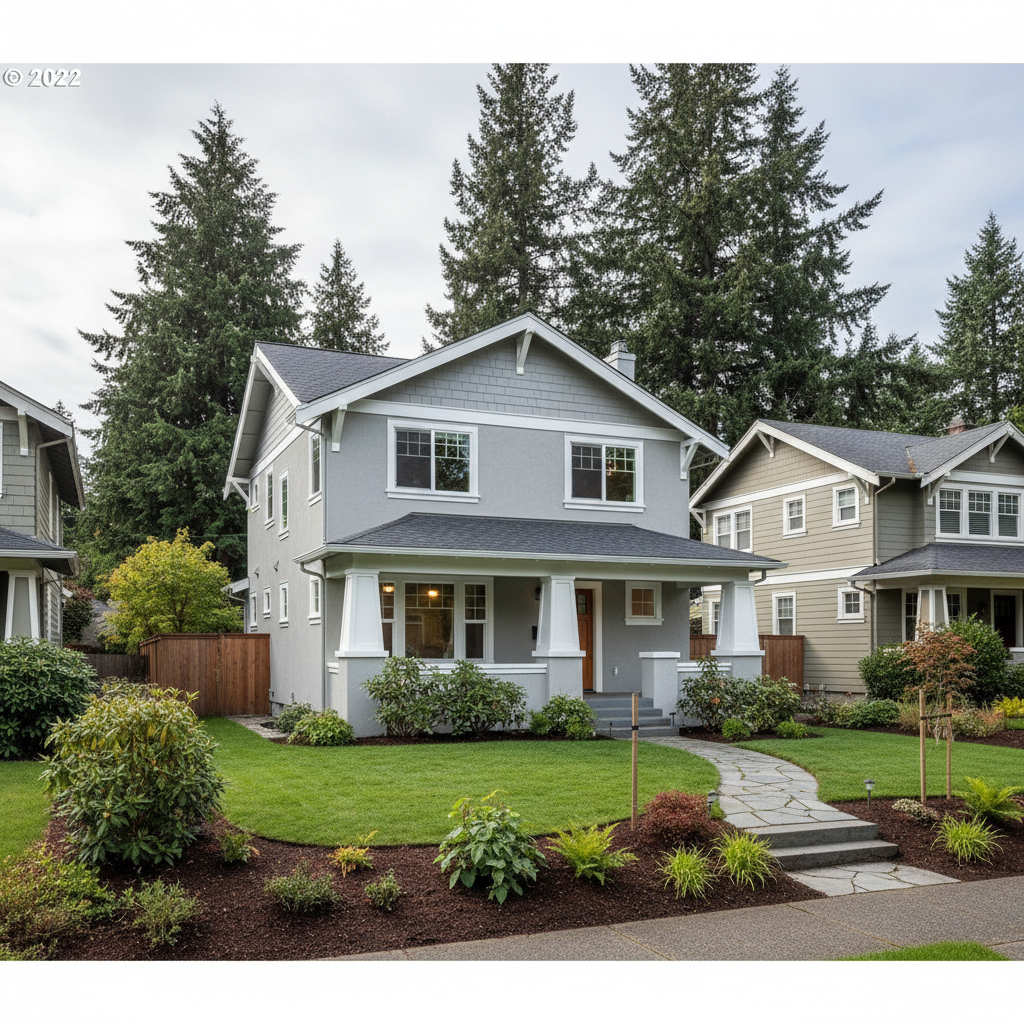
Ever walk into an older house in the North End or a new build down in South Tacoma and notice the walls? I'm not talking about the paint color, but the actual finish – how it feels, how it catches the light. That's drywall texture, and it's a bigger deal than most folks realize, especially here in Tacoma.
You might think drywall is just drywall, but the texture you put on it can totally change the look and feel of a room. It can hide imperfections, add character, or even make a space feel more modern or traditional. And around here, with our specific weather and housing stock, choosing the right texture isn't just about what looks good in a magazine.
Why Texture Matters in Tacoma Homes
So, why should you care about texture beyond just picking something you like? Well, for starters, our climate. We get a fair bit of moisture, and while good construction and ventilation help, sometimes walls just move a little. A subtle texture can be a lifesaver for masking those tiny hairline cracks that might pop up over time, especially in older homes that have settled a bit. Flat walls show everything, and I mean everything.
Then there's the age of our homes. Tacoma's got a real mix. You've got those beautiful turn-of-the-century Victorians and Craftsman homes in areas like Stadium District, where a smooth, hand-troweled finish or even a skip-trowel can really complement the historic charm. Then you've got the mid-century ramblers in Fircrest or University Place, where a light orange peel or knockdown texture was common and still fits the style. And of course, the newer construction often goes for a very light orange peel or even just a level 5 smooth finish for that clean, contemporary look.
What I've seen over the years is that trying to force a super modern, perfectly smooth finish into a 100-year-old house can sometimes feel out of place. And vice-versa, a heavy texture in a minimalist new build can clash. It's about respecting the architecture and making the texture work with the house, not against it.
Common Textures We See (and Do) Around Here
Let's break down some of the textures you'll find and might consider for your place:
- Smooth Wall (Level 5 Finish): This is the holy grail of drywall finishes. No texture at all, just perfectly smooth. It looks fantastic in modern homes or if you're going for a really minimalist vibe. But fair warning: it's the most labor-intensive and unforgiving. Every single flaw, every screw pop, every seam shows. If you're going this route, you need top-notch drywall installation and painting. It's not for the faint of heart, or for areas that take a lot of abuse.
- Orange Peel: This is super common, especially in homes built from the 70s onward. It looks like, well, an orange peel. It's a fine, bumpy texture that's applied with a sprayer. It's great for hiding minor imperfections, durable, and easy to clean. You can get it in a fine, medium, or heavy consistency. Most new construction around here opts for a fine to medium orange peel.
- Knockdown: This one starts like an orange peel or a splatter texture, but then it's lightly 'knocked down' with a trowel after it's partially dried. This flattens the peaks, giving it a softer, mottled look. It's popular because it offers a bit more visual interest than orange peel but is still relatively easy to maintain and hides a lot. You'll see this in a lot of homes built in the last 20-30 years.
- Skip-Trowel: This is a hand-applied texture where a thin layer of mud is 'skipped' across the surface with a trowel, leaving an irregular pattern of smooth and textured areas. It's got a more artisanal, Old World feel. I've done a lot of this in custom homes or remodels where folks want something a bit more unique and less uniform than a sprayed texture. It can look really sharp in a Craftsman or a home with a rustic aesthetic.
- Popcorn (Acoustic): Okay, we need to talk about this one. You'll still find it on ceilings in older Tacoma homes, especially those built before the 90s. While it did offer some sound dampening, it's notorious for collecting dust, being hard to clean, and often containing asbestos if installed before the late 70s. Most people these days want to get rid of it. If you've got it, and you're thinking about renovating, it's usually one of the first things to go.
Why Local Expertise is Key for Drywall Texturing
You might think, 'It's just mud on a wall, how hard can it be?' And sure, you can rent a sprayer and give it a shot. But getting a consistent, professional-looking texture, especially one that blends seamlessly with existing work or matches the style of your home, takes practice, the right equipment, and a good eye.
I've seen plenty of DIY texture jobs that ended up looking patchy, too heavy, or just plain wrong. It's not just about spraying; it's about mud consistency, air pressure, distance from the wall, and the technique for each specific texture. And if you're trying to patch a textured wall, matching that existing texture is an art form in itself. You don't want a perfectly smooth patch on an orange peel wall, right?
Working with someone who's done this in Tacoma for years means they understand the local housing styles, they know what textures are common in different neighborhoods, and they can advise you on what will hold up best with our climate. We've seen it all, from the old plaster-and-lath conversions to brand new builds. When you hire Precision Drywall Tacoma, you're not just getting a guy with a sprayer; you're getting someone who knows how to make your walls look great and last.
So, next time you're looking at your walls, think about the texture. It's not just background noise; it's a fundamental part of your home's character and can make a huge difference in how you feel about your space. Choose wisely, and if you're unsure, give us a call. We're happy to talk through your options.