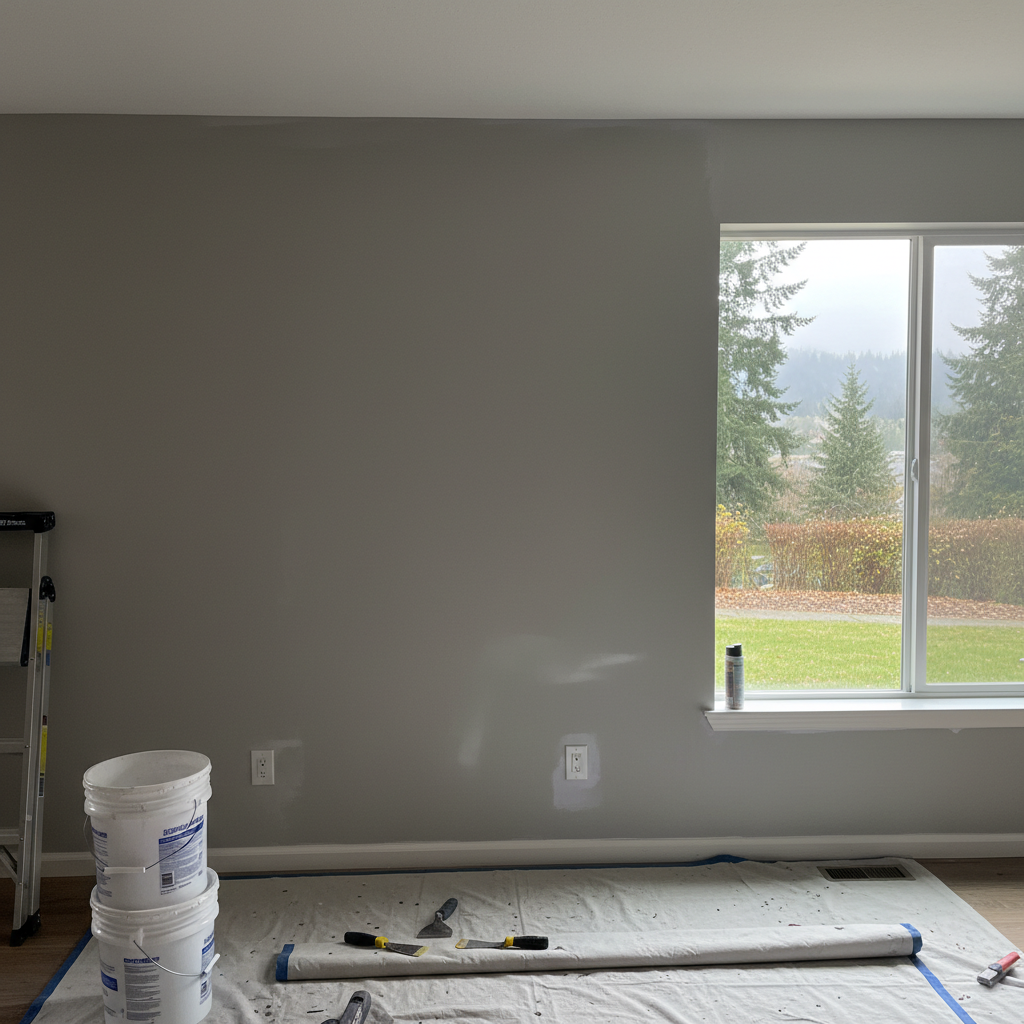
Ever wonder if there's a 'best time' to get that drywall patch done or fix those cracks? Around here in Tacoma, with our famous Pacific Northwest weather, the answer is a definite yes. It's not just about getting it fixed, it's about getting it fixed right so it actually holds up.
Why Tacoma's Weather Matters for Your Drywall
You know how it is. We get a lot of rain, a lot of gray, and a fair amount of humidity, especially down by the water in places like Ruston Way or up on the hill in North End where the air can feel pretty thick. This isn't just annoying for your hair; it directly impacts how drywall behaves. Drywall is basically paper and gypsum, and both of those love to soak up moisture. When it gets wet, it expands. When it dries out, it shrinks. This constant movement is what causes a lot of those hairline cracks or makes tape joints bubble up.
If you try to do a major repair when it's super humid, say in the middle of a typical January downpour, the new mud might not dry properly. It can take forever, and sometimes it'll even crack as it finally cures because it's been fighting all that moisture in the air. On the flip side, trying to fix a big hole on a rare, super dry August day without proper ventilation can make the mud dry too fast, leading to issues too. It's a balance.
The Best Time to Schedule Drywall Repairs
From what I've seen over the years, the sweet spot for most drywall work around Tacoma is usually late spring through early fall. Think May, June, July, August, and even early September. Why then?
- Lower Humidity: We generally get drier air during these months. This helps drywall mud dry and cure at a more consistent rate. That means stronger repairs, less cracking, and a better finish overall.
- Temperature Control: The temperatures are usually milder, so you're not blasting the heat or AC just to make the environment comfortable. This also helps with consistent drying.
- Ventilation is Easier: You can open windows and doors without freezing your pipes or letting in a monsoon. Good airflow is crucial for drying out mud and paint, and for getting rid of dust.
Now, does that mean you can't do repairs in winter? Of course not. Sometimes a burst pipe or a kid's rogue baseball means you can't wait. But if you have the luxury of planning, aiming for those drier months is always a smart move. If you have to do it in winter, you'll want to make sure your home's heating system is keeping the indoor temperature stable and consider using dehumidifiers and fans to help the drying process along. It just takes more care and often more time.
Protecting Your Drywall Investment Year-Round
You've spent the money to get those repairs done right, so you want them to last. Here are a few things you can do to protect your drywall, no matter the season:
- Manage Indoor Humidity: This is huge in Tacoma. Use exhaust fans in bathrooms and kitchens. If you have a damp basement, consider a dehumidifier. Keeping your indoor humidity between 30-50% is ideal for drywall health.
- Fix Leaks Immediately: This sounds obvious, but a small roof leak or a pinhole in a pipe can do massive damage to drywall before you even notice it. Regular checks of attics, crawl spaces, and under sinks can save you a huge headache. Water stains on your ceiling or walls are a red flag you shouldn't ignore.
- Maintain Proper Ventilation: Good airflow prevents moisture buildup. Make sure your attic is properly vented to prevent condensation, especially during our cold, wet winters.
- Insulation Matters: Proper insulation helps keep your interior wall temperatures stable, reducing the chances of condensation forming inside your walls, which can lead to mold and drywall damage.
- Seal Up Your Exterior: Check your home's exterior regularly. Cracks in siding, old caulk around windows, or worn-out flashing can let water into your wall cavities, turning your drywall into a soggy mess.
At Precision Drywall Tacoma, we've seen it all, from minor dings to major water damage. We know how our local climate impacts your home, and we factor that into every repair we do. Getting those repairs done at the right time and then taking a few preventative steps can really extend the life of your walls and keep your home looking its best. Don't wait until that small crack becomes a big problem.